Math Games for Adults
Math games for adults who secretly liked algebra.


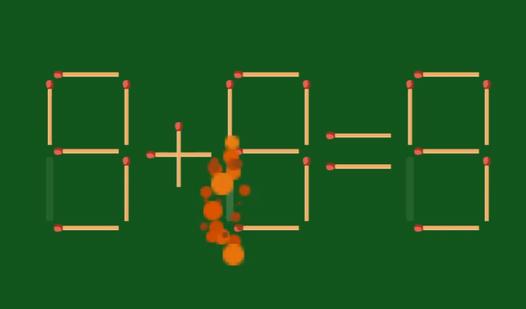







Math Games for Adults: Have Fun and Sharpen Your Mind
Math can be fun, and playing with numbers through games is a powerful way to keep your mind sharp and reduce math anxiety. Whether you're looking to boost your mental arithmetic speed, challenge your logic, or simply find a fun new hobby, there's a math game out there for you. The easiest way to start is with our online games. They are designed for quick daily sessions and often include competitive elements to keep you motivated.
This page explores the best math games for adults, from quick digital brain-training apps to strategic board games and classic puzzles.
What Brain-Training Games Are Available on NoCoolDowns.com?
- Mental arithmetic apps: These typically feature drills for addition, subtraction, multiplication, and division, with adjustable difficulty levels that suit players of all ages, including seniors.
- Comprehensive brain trainers: These use scientifically backed exercises to target a range of cognitive skills and are useful for bank exam preparation and similar tests.
- Specialized senior apps: Created by specialists for older adults, these combine progressively harder mental calculation with memory games and other cognitive challenges, turning math into a game with a user-friendly format.
- Logic and number puzzles: These games require deduction and strategic thinking, engaging the brain in a slower, more deliberate problem-solving process. They are excellent for training working memory and pattern recognition.
- Sudoku: This classic number-placement puzzle was popularized in Japan and is now played around the world.
- 2048: This is a highly addictive and strategic sliding-tile puzzle. The goal is to merge matching numbers until you reach the 2048 tile.
- Math Grid: This puzzle combines elements of crosswords and arithmetic, keeping seniors' minds sharp with endless mental stimulation.
Seniors who want to keep their minds sharp can start right here, with no app to install and no account to create. Every math game on NoCoolDowns plays free in the browser on a tablet or a computer.
The 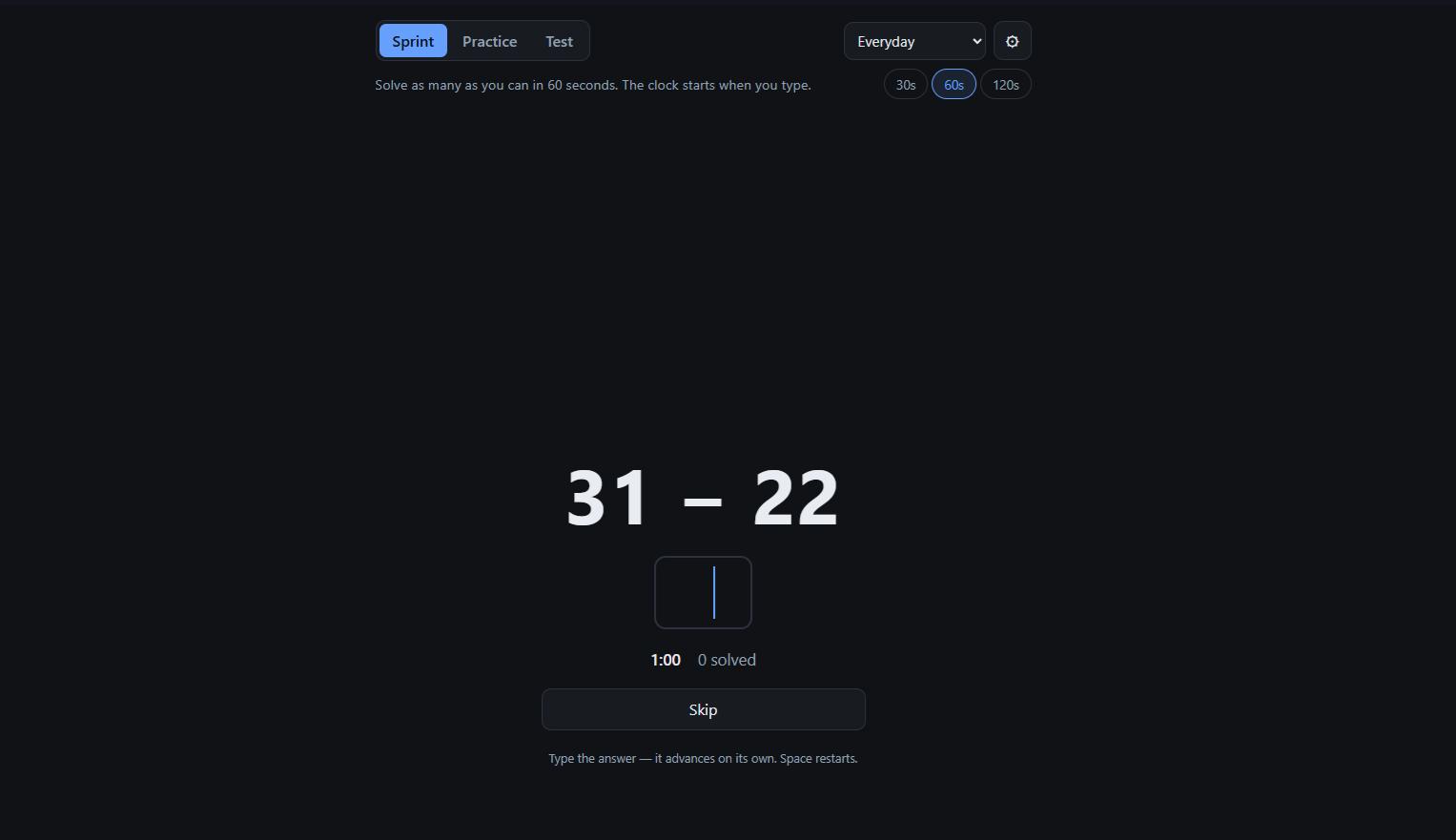 Mental Math Trainer is the most direct workout. Its untimed practice lets you rebuild confidence with arithmetic at your own pace, and when that starts to feel easy, the timed sprints push your speed.
 Math Memory is a 16-card matching game built on sums and products, so it works your recall as much as your arithmetic. In
 Cashier Simulator, you ring up customers and count out their change, which is everyday math dressed up as a job.
If you like slower, more deliberate puzzles, the Sudoku games run from 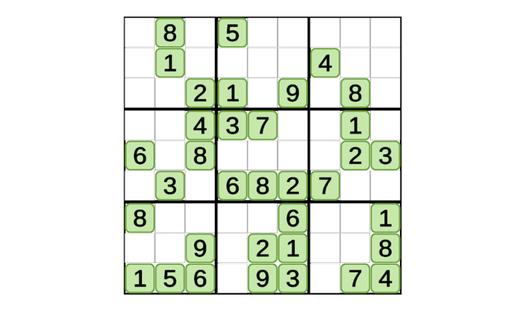 Sudoku Classic for beginners up to
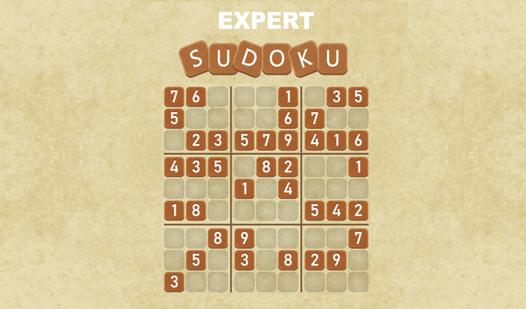 Expert Sudoku and
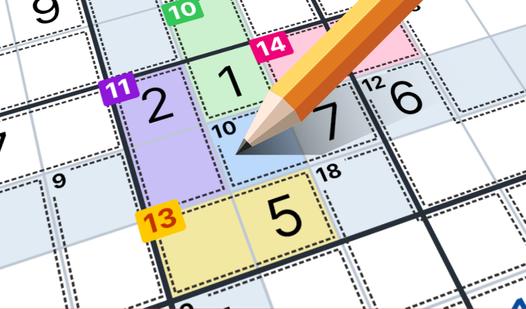 Killer Sudoku. Crossword fans tend to enjoy
 MathCross and
 Math Puzzle for Adults: the grid is made of equations, and you fill in the missing numbers. For something lighter,
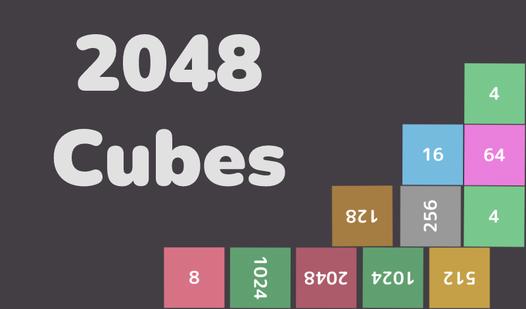 2048 Cubes and
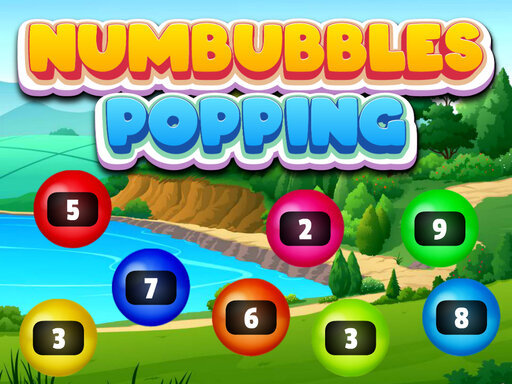 Numbubbles Popping are easy to pick up and put down again. A short session on most days, switching between a couple of these, keeps numbers and logic a regular part of your routine.
Frequently Asked Questions
Do math games help with everyday life?
Yes. They can improve the mental arithmetic you use for budgeting, shopping, financial decisions, and other daily tasks that involve numbers.
Why should adults play math games?
They can help keep the mind sharp, improve mental math, boost memory and attention, reduce math anxiety, and provide fun, low-pressure cognitive exercise.
How do I choose the right math game for me or a loved one?
Think about the player's interests, the right difficulty level, any accessibility needs, and whether they prefer to play alone or with others. Start easy and adjust as skills improve.
Are math games only for people who are good at math?
No. Many math games are designed for all skill levels and offer adjustable difficulty, so beginners and experts can both enjoy them.
How does Sudoku help the brain?
Sudoku engages working memory, concentration, and pattern recognition. Some studies link frequent number-puzzle play to better cognitive performance in older adults.
How long should a math game session last?
Most sessions last 5 to 20 minutes, depending on the game and your focus. Short, regular sessions are usually easier to keep up.
How often should I play math games to see benefits?
Consistency matters more than intensity. A few minutes a day, or several times a week, is often better than occasional long sessions.
Can math games really improve brain function?
Research suggests that mentally stimulating activities like math games can support cognitive function, but no game guarantees improvement. They are one part of a healthy lifestyle.
How do I track my progress?
Many games and apps track your scores, times, and accuracy. You can also keep a journal, note your improvements, and set small weekly goals.
What cognitive skills do math games train?
They can train working memory, processing speed, attention, logical reasoning, pattern recognition, and problem-solving.
What age group are math games for?
Math games suit adults of all ages, and many are especially well suited to seniors. Some are designed specifically for older adults, while others appeal to teens as well.
What board games are good for math and brain health?
Chess, Quartile, Rummikub, dominoes, mahjong, Ubongo, and Pelican Cove are excellent choices. They combine strategy, logic, and number skills.
What are some tips for staying consistent with math games?
Set a daily reminder, tie play to an existing routine, play with a friend, and vary the games to keep things interesting.