Rock Paper Scissors: Everything You Need to Know (and How to Win)
Strategy & Games | 3 min read
Rock paper scissors — known as jan-ken-pon in Japan and "Rochambeau" in parts of the US — is two millennia old, deceptively strategic, and nowhere near as random as it looks. Here's the full picture, fast.
Origins, Names & Meaning
Originating in Han Dynasty China (~206 BCE), the game traveled west and collected names — jan-ken-pon means "ready, fist, go" in Japanese, while Rochambeau is a pop-culture myth tied to a French general. Rock means strength, paper intellect, scissors precision — each beating the next in a loop.
Is It Fair? Is It 50/50?
Surprisingly, it's not a coin flip — there are actually three outcomes on the table: win, lose, or draw, each equally likely. Run the math on every possible throw combination and the game turns out to be perfectly balanced, with no player holding any built-in edge.
How to Win 75–90% of the Time (and the Myth of 100%)
No strategy wins every time — the moment you commit to a pattern, a smart opponent can crack it. But humans have patterns, and patterns break.
For 75%: Open with paper (opponents default to rock), then exploit the "lose-shift" tendency — players who just lost typically switch to whatever would have beaten what beat them. If your paper beat their rock, they're going scissors next; throw rock.
For 90%: Track their throw frequency mentally. If rock has appeared three times in five rounds, it'll appear again. Add verbal misdirection — announce your real throw and let them assume it's a bluff.
Matchups: Rock's Weakness and Who Beats What
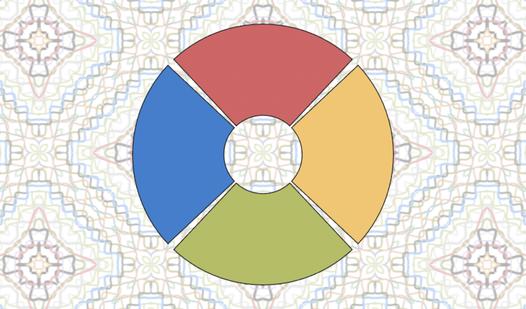
Rock's weakness is paper — it covers and neutralizes it entirely. Rock beats scissors (crushes the blades). Scissors beats paper (cuts it). Think of it as a circle: paper smothers rock, rock destroys scissors, scissors slices paper — and it loops right back around. Simple, clean, and nothing else breaks the chain.
Is It a Child's Game?
Don't let the schoolyard reputation fool you — in 2005, Christie's and Sotheby's literally played a game to decide who'd sell a multimillion-dollar art collection (Christie's won). There are real international tournaments with real prize money. At its heart, it's just the fastest fair decision tool humans have ever invented.
Rock Paper Scissors Minus One
Each player throws two gestures at once, then eliminates one after seeing the opponent's pair. The loser is whoever makes the worse elimination call. It doubles the strategic depth instantly — you're now reading intent, not just throws.
The Psychology (Why You're Not as Random as You Think)
Humans are terrible at randomness. We avoid repetition because it feels patterned. We shift after losses more than wins. We throw rock under pressure. Research confirms a consistent win-stay, lose-shift cycle in real players. At its core, the game tests theory of mind — predicting what another conscious person will do next. That's not trivial. It's one of the most human skills there is.
Start with paper. They almost certainly opened with rock.