It's not my neighbor: FNAF! - Detective Game
About the Game
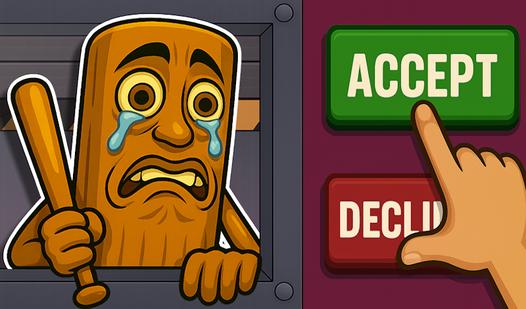
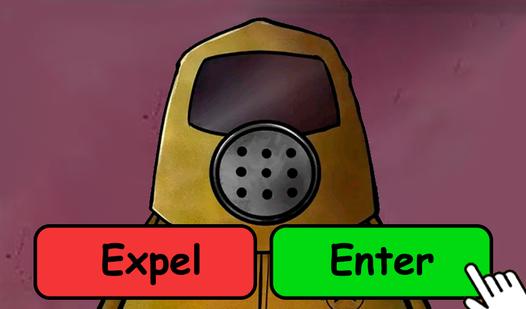
You’ve been hired as a night guard in a strange house inhabited by animatronics. Each night, your job is to check everyone who knocks at the door and let in only the real residents. But beware: clones are trying to impersonate the originals. They’re nearly indistinguishable — but somewhere in the details lies the deception: odd appearances, strange gazes, fake documents. Your task is to spot the impostor, eliminate the clone, and stay alive. One mistake, and the night will be your last. Use documents, behavior, and logic to survive. In this house, every knock could be fatal. Welcome to a game where trust is a luxury — and failure is deadly.
Game Mechanics
A Detective game is an investigative narrative mechanic where you solve crimes or unravel mysteries by gathering clues, interviewing witnesses or suspects, and drawing logical conclusions. The core loop involves exploring crime scenes (examining objects, bodies, documents, or environmental details), collecting evidence (fingerprints, weapons, timestamps, correspondence), and building a case file. Key mechanics include interrogation (choosing questions from a dialogue tree, spotting lies or contradictions), deduction boards (linking clues and testimonies to form a timeline or motive), and multiple‑choice conclusions (accusing the right suspect with supporting evidence). Unlike action games, detective mechanics reward careful observation, memory, critical thinking, and the ability to spot inconsistencies. Some versions add time‑pressure decisions (interrupting a conversation with evidence), branching conclusions (different outcomes based on which clues you prioritize), or moral choices (whether to reveal a painful truth or protect someone). The satisfaction comes from the "Eureka!" moment when scattered fragments click into a coherent solution. Perfect for players who enjoy immersive storytelling, cerebral challenges, and playing the role of a sharp‑minded investigator