Chess with a computer and for two - Chess Game
About the Game
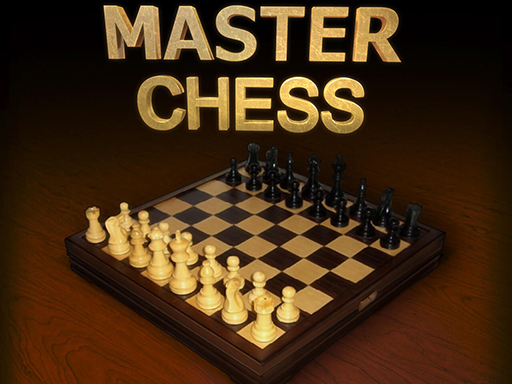
A classic game of chess. There are two modes of play: against the computer or with each other on the same device. There are 5 difficulty levels in the game against the computer. There is a player statistics section.
Game Mechanics
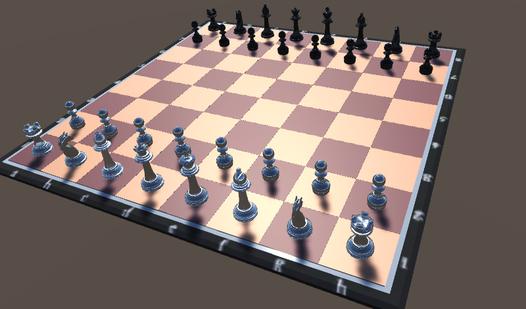
Chess is a two‑player turn‑based strategy game played on an 8×8 grid of alternating dark and light squares. Each player starts with 16 pieces: one king, one queen, two rooks, two knights, two bishops, and eight pawns. Each piece moves uniquely — pawns advance forward one square (capturing diagonally), rooks move in straight lines, bishops diagonally, knights in an L‑shape, queens any direction, and kings one square in any direction. The goal is to place the opponent's king under unavoidable attack, known as checkmate. Players alternate moves, with no dice or randomness — only pure strategy. Core mechanics include controlling the center, developing pieces (bringing them into play), castling (moving king and rook simultaneously for safety), en passant (a special pawn capture), and promotion (turning a pawn into any piece when it reaches the far rank). Games can end in checkmate, resignation, or stalemate (player has no legal moves but king is not in check). Unlike action games, Chess rewards forward planning, pattern recognition, tactical combinations, and endgame precision. Timers are common in competitive play, adding speed pressure. Perfect for players who enjoy deep strategic thinking, memory of opening lines, and the elegance of pure logic